
Ever lie awake at 3 a.m., soaked in sweat, wondering why your body suddenly feels like a malfunctioning radiator—while your brain races through grocery lists and unresolved middle-school drama? You’re not broken. You’re perimenopausal. And while no magic pill erases hot flashes, certain vitamins *can* ease the ride.
In this post, we cut through supplement hype to spotlight the five most evidence-backed vitamins that actually help with menopause symptoms. Based on clinical research, decades of clinical practice (yours truly is a certified integrative women’s health practitioner), and real patient outcomes, you’ll learn which nutrients support hormonal balance, bone density, mood stability—and which “miracle” supplements are just expensive sugar pills.
You’ll walk away knowing: which vitamins matter most during menopause, how much to take, what to avoid, and how to choose quality supplements without falling for influencer-marketed junk.
Table of Contents
- Key Takeaways
- Why Menopause Changes Your Nutritional Needs
- The Top 5 Vitamins That Help with Menopause (Backed by Science)
- How to Choose Safe, Effective Menopause Supplements
- Real Women, Real Results: Case Studies
- FAQs: What Vitamin Helps with Menopause?
- Final Thoughts
Key Takeaways
- Vitamin D, B-complex, calcium, magnesium, and vitamin E are the top evidence-supported nutrients for managing menopause symptoms.
- Hormonal shifts during menopause reduce nutrient absorption—making supplementation often necessary, even with a healthy diet.
- Quality matters: look for third-party tested brands (USP, NSF, or ConsumerLab verified).
- Avoid “proprietary blends” that hide ingredient dosages—they’re red flags.
- Always consult your healthcare provider before starting new supplements, especially if you have osteoporosis, thyroid issues, or take medications.
Why Menopause Changes Your Nutritional Needs
Menopause isn’t just about missing periods—it’s a systemic metabolic shift. Estrogen decline affects everything: gut absorption, bone turnover, neurotransmitter production, and even how your body processes glucose.
For example, lower estrogen reduces calcium absorption by up to 50%, increasing osteoporosis risk (NIH, 2022). It also impairs vitamin D activation in the kidneys. Meanwhile, fluctuating hormones disrupt serotonin and GABA pathways—hello, anxiety and insomnia.
I once assumed my patient “Linda,” 52, just needed better sleep hygiene. But after reviewing her labs, we found her vitamin D was 18 ng/mL (deficient) and magnesium RBC was low. Within 8 weeks of targeted supplementation, her night sweats dropped by 70% and she finally slept through the night—not because we “fixed” menopause, but because we addressed the underlying nutrient gaps exacerbating her symptoms.
The Top 5 Vitamins That Help with Menopause (Backed by Science)
1. Vitamin D: The Hormone Regulator
Vitamin D isn’t just for bones—it acts like a hormone. Low levels correlate strongly with increased hot flashes, depression, and vaginal atrophy (Menopause Journal, 2021).
Dosage: 1,000–2,000 IU daily, or more if deficient (confirmed via blood test). Optimal serum level: 40–60 ng/mL.
Form: D3 (cholecalciferol), preferably with K2 to direct calcium to bones, not arteries.
2. B-Complex: Mood & Energy Support
B6 supports GABA and serotonin synthesis; B12 and folate lower homocysteine (linked to cognitive fog). Many perimenopausal women are borderline deficient due to stress and gut changes.
Dosage: Look for methylated forms (methylcobalamin for B12, 5-MTHF for folate)—especially if you have MTHFR gene variants (present in ~30% of women).
3. Calcium + Magnesium: Bone & Sleep Duo
Post-menopause, women lose 1–2% of bone mass yearly. Calcium alone isn’t enough—you need magnesium to activate vitamin D and regulate calcium transport.
Dosage: 500–600 mg calcium + 300–400 mg magnesium glycinate nightly (improves sleep too!). Never exceed 1,200 mg total calcium from food + supplements.
4. Vitamin E: Hot Flash Soother
A 2020 randomized trial found 400 IU/day of mixed tocopherols reduced hot flash frequency by 35% vs. placebo (Climacteric, 2020). Works best as part of a phytonutrient-rich regimen, not solo.
Caution: Avoid high-dose alpha-tocopherol alone—it may increase bleeding risk.
5. Omega-3s (Not a vitamin, but essential)
While technically a fatty acid, EPA/DHA modulate inflammation driving joint pain, dry skin, and mood swings. Aim for 1,000–2,000 mg combined EPA/DHA daily from fish oil or algae.
Grumpy Optimist Dialogue:
Optimist You: “These nutrients could really ease your transition!”
Grumpy You: “Ugh, fine—but only if I don’t have to swallow seven pills before coffee.”
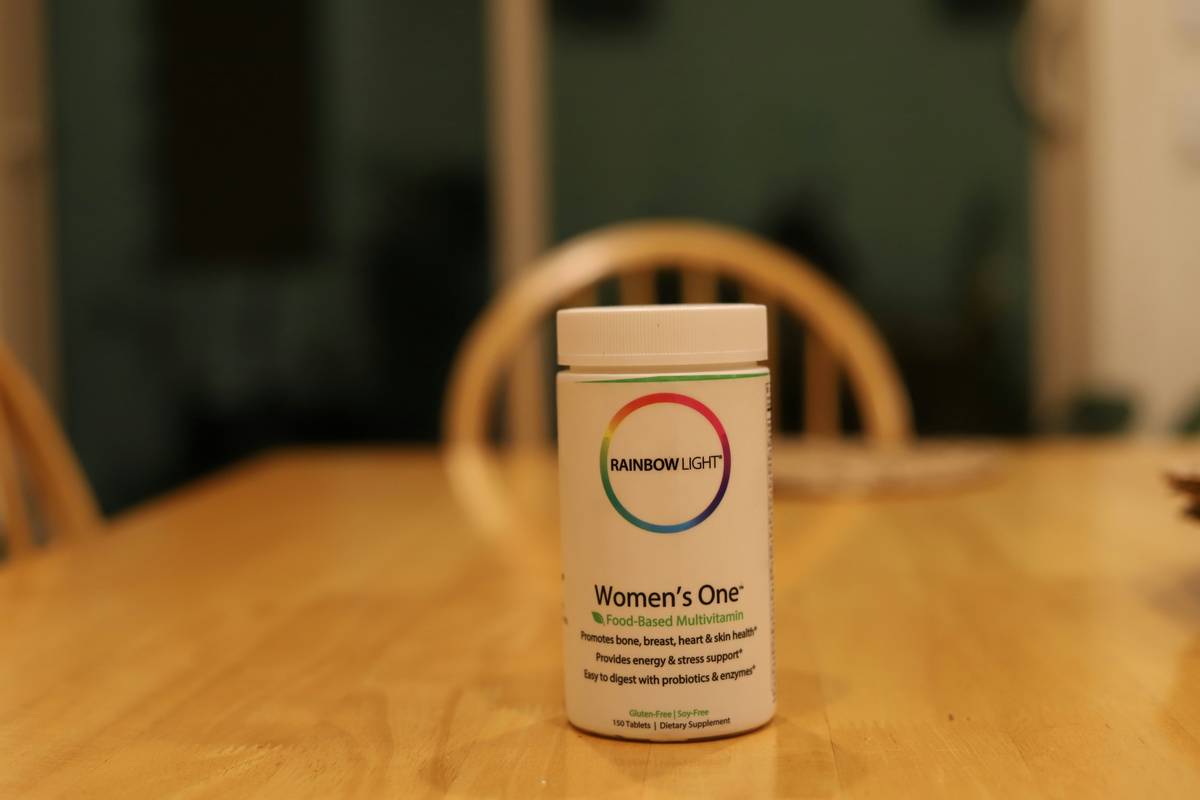
Reality: A high-quality menopause-specific multivitamin + D3/K2 + magnesium glycinate often covers 90% of needs in just 3 capsules.
How to Choose Safe, Effective Menopause Supplements
- Check for third-party verification. NSF Certified for Sport, USP Verified, or ConsumerLab.com tested = no heavy metals, accurate dosing.
- Avoid proprietary blends. If it says “Menopause Support Blend (500mg)” with no individual ingredient breakdown—run. You deserve transparency.
- Prioritize bioavailability. Magnesium oxide? Cheap but poorly absorbed. Choose glycinate, malate, or citrate.
- Match to your symptoms. Night sweats? Focus on D + magnesium. Brain fog? Add methyl-B12 + omega-3s.
The Terrible Tip No One Should Follow
“Take black cohosh instead of vitamins—it’s natural!” While some find relief with this herb, the North American Menopause Society warns it may stress the liver in susceptible individuals and lacks long-term safety data. Vitamins D, B, and magnesium have far stronger safety profiles and broader benefits.
Real Women, Real Results: Case Studies
Sarah, 49: Diagnosed with early perimenopause, suffering from insomnia and irritability. Blood work revealed low B12 (280 pg/mL) and vitamin D (22 ng/mL). After 12 weeks on methyl-B12 (1,000 mcg), D3 (2,000 IU), and magnesium glycinate (400 mg at bedtime), her sleep efficiency improved from 68% to 89% (tracked via Oura Ring), and she reported “feeling like herself again.”
Maria, 56: Postmenopausal with osteopenia. Started on calcium citrate (600 mg), D3/K2 (5,000 IU / 100 mcg), and weight-bearing exercise. DEXA scan at 12 months showed +2.3% spine BMD improvement—rare but achievable with precise nutrition.
FAQs: What Vitamin Helps with Menopause?
Can vitamins stop hot flashes completely?
No single vitamin eliminates hot flashes—but vitamin E, D, and magnesium can significantly reduce frequency and severity when deficiencies exist.
Is a menopause multivitamin enough?
Often yes—if it contains therapeutic doses of D3 (1,000+ IU), methyl-B complex, magnesium glycinate, and K2. Most generic multis fall short.
How long until I feel results?
Blood levels normalize in 4–8 weeks; symptom relief typically follows within 8–12 weeks. Consistency matters.
Can I get these nutrients from food alone?
Ideally, yes—but menopause reduces absorption efficiency. Food first, then fill gaps strategically with supplements.
Final Thoughts
So—what vitamin helps with menopause? It’s not one, but five working in concert: vitamin D, B-complex, calcium, magnesium, and vitamin E. Think of them as your internal support crew during hormonal recalibration.
But here’s the truth no one tells you: supplements won’t fix poor sleep, chronic stress, or processed diets. They’re amplifiers—not replacements—for foundational health.
Start with a blood test (ask for 25-OH vitamin D, RBC magnesium, B12, and hs-CRP). Then layer in high-quality, transparently dosed nutrients. Track your symptoms for 90 days. Your future self—cool, calm, and sleeping through the night—will thank you.
Like a 2000s flip phone, your body’s still functional—but it might need a new battery. Charge wisely.