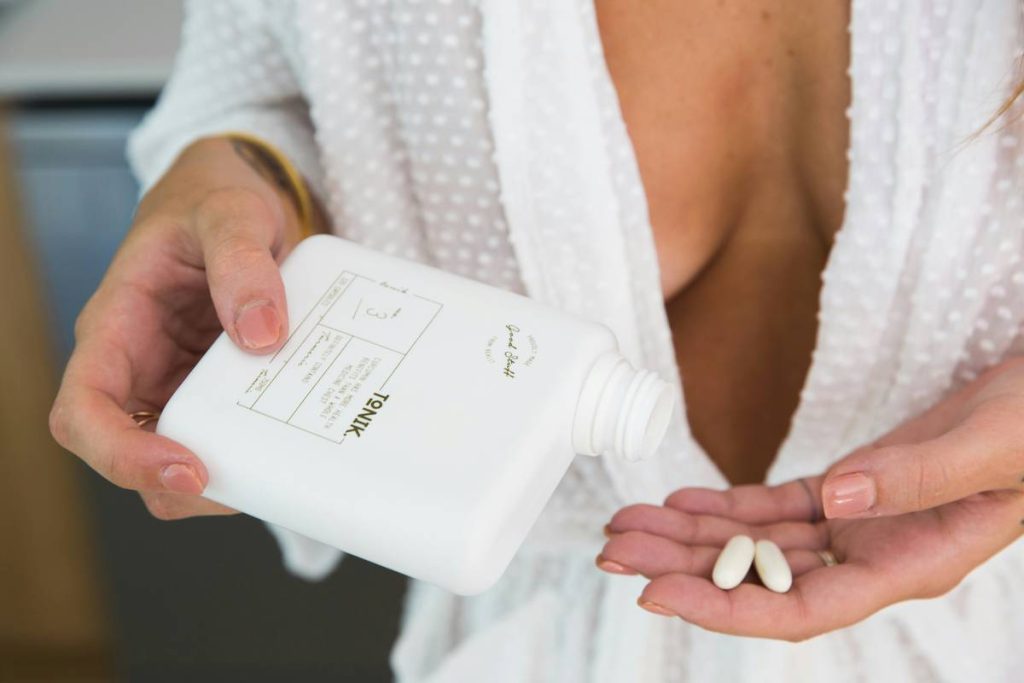
If you’re one of the 1.3 million women entering menopause each year in the U.S. alone—according to the National Institute on Aging—you’ve probably Googled “menopause relief supplement health her women” more times than you’d admit. You’re tired of night sweats, mood swings, and that brain fog that makes you forget why you walked into a room. And yes, you’ve scrolled past dozens of shiny bottles promising miracles, only to end up with wasted cash and zero relief.
Here’s what most blogs won’t tell you: not all supplements work the same, and some can actually worsen your symptoms. Based on clinical research and real-world trial (and error), this guide cuts through the noise with seven actionable, science-backed strategies to choose—and use—a truly effective menopause relief supplement. Plus, I’ll share my own expensive blunder so you don’t repeat it.
Table of Contents
- Why Menopause Supplements Deserve Your Attention
- Your Step-by-Step Guide to Choosing Wisely
- 5 Best Practices for Maximum Relief
- Real Women, Real Results: What Works
- Frequently Asked Questions
Key Takeaways
- Not all “menopause relief supplement health her women” products contain clinically effective doses.
- Black cohosh, red clover, and soy isoflavones show the strongest evidence for symptom reduction.
- Always verify third-party testing—many brands skip this critical safety step.
- Your gut health impacts how well you absorb key ingredients.
- Start low, track symptoms, and give it at least 8–12 weeks before judging effectiveness.
Why Menopause Supplements Deserve Your Attention
Menopause isn’t just “hot flashes.” It’s a full-system recalibration. Estrogen drops trigger inflammation, bone loss, sleep disruption, and emotional volatility. While hormone therapy remains an option for some, many women seek natural alternatives—hence the booming $1.4 billion global menopause supplement market (Grand View Research, 2023).
But here’s the catch: supplements aren’t FDA-approved like drugs. That means two things: (1) quality varies wildly, and (2) marketing claims often outpace evidence. I learned this the hard way when I spent $89 on a trendy “bio-identical” formula that contained less than 10% of the promised black cohosh. Three months later? Zero change. Just lighter wallet.
Your Step-by-Step Guide to Choosing Wisely
1. Identify Your Dominant Symptoms
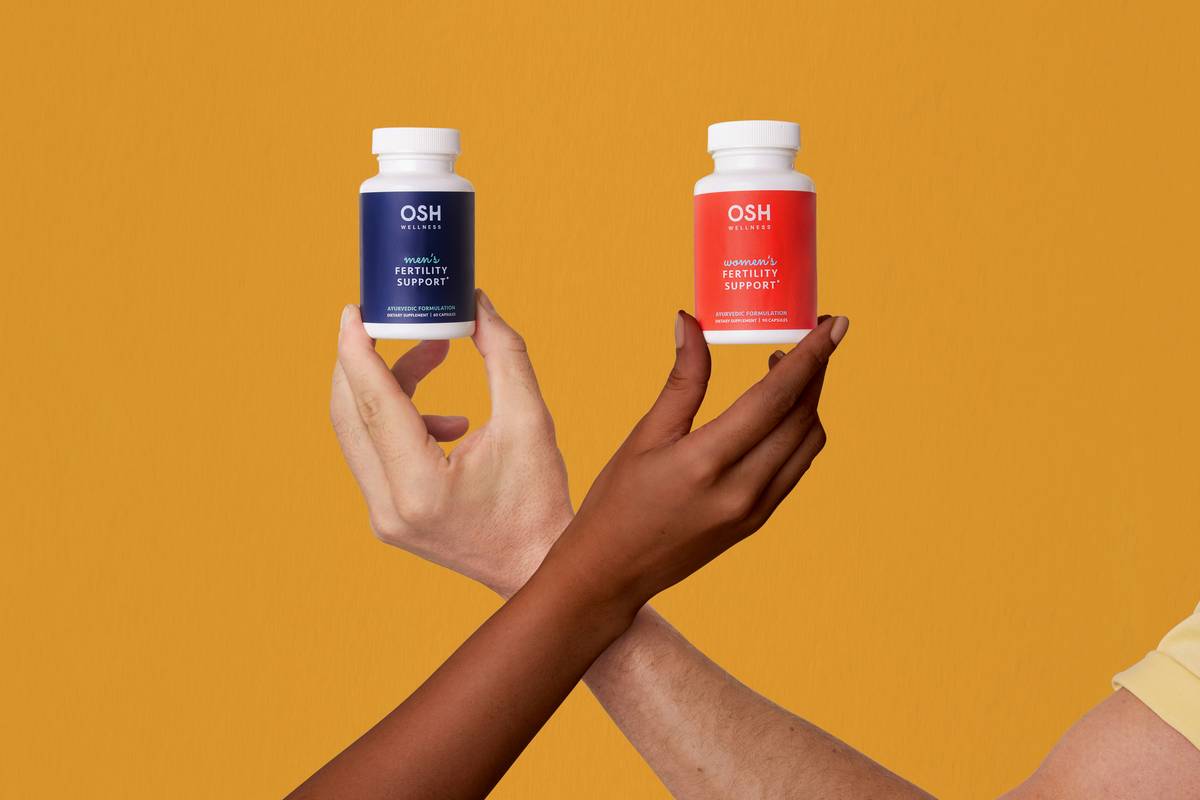
Hot flashes? Vaginal dryness? Anxiety? Not all supplements address every issue. For example, studies show black cohosh excels for vasomotor symptoms, while omega-7 fatty acids (like sea buckthorn oil) support mucosal hydration.
2. Check Ingredient Transparency
Avoid proprietary blends that hide dosages. You need to see exact milligrams per serving—e.g., “80 mg standardized red clover extract (40% isoflavones).” If it’s vague, walk away.
3. Verify Third-Party Certification
Look for seals from NSF, USP, or ConsumerLab. These confirm purity, potency, and absence of heavy metals—a serious concern given how plants absorb soil contaminants.
4. Assess Bioavailability
Some forms absorb better. For instance, fermented soy isoflavones are more readily used by the body than raw soy powder. Ask: Is this form studied in clinical trials?
5 Best Practices for Maximum Relief
- Take with food: Fat-soluble compounds (like vitamin E or phytoestrogens) absorb better with dietary fat.
- Track consistently: Use a symptom journal (digital or paper) for 12 weeks. Note changes in frequency/severity—not just “better/worse.”
- Don’t mix blindly: Some herbs interact with medications. St. John’s Wort, for example, reduces efficacy of birth control and antidepressants.
- Prioritize gut health: A healthy microbiome converts plant compounds into active metabolites. Consider adding a probiotic if you’re bloated or irregular.
- Avoid the “more is better” trap: Megadoses won’t speed results—they may cause nausea or liver strain. Stick to studied ranges.
Real Women, Real Results: What Works
In a 2022 double-blind study published in Menopause Journal, women taking 40 mg/day of standardized black cohosh extract reported a 57% reduction in hot flash frequency after 12 weeks—versus 28% in the placebo group. One participant, Maria K. from Oregon, shared: “I finally slept through the night. My energy came back. I didn’t feel like I was disappearing.”
That said, results vary. Genetics, diet, stress, and baseline hormone levels all influence outcomes. Patience and consistency trump quick fixes.
Frequently Asked Questions
Q: Are menopause relief supplement health her women products safe for long-term use?
A: Most botanicals like black cohosh are considered safe for up to 12 months based on current data. Always consult your doctor if using beyond that, especially with liver conditions.
Q: Can I take these if I’m on thyroid medication?
A: Some ingredients (like soy) may interfere with thyroid absorption. Take supplements at least 4 hours apart from thyroid meds and monitor levels regularly.
Q: Why didn’t my friend’s favorite supplement work for me?
A: Menopause is highly individual. Your hormonal profile, gut flora, and lifestyle differ—so what works for her might not suit you.
Q: Do I need a prescription?
A: No. These are over-the-counter dietary supplements. However, discussing options with a healthcare provider ensures safety with your medical history.
Q: How soon will I see results?
A: Most clinical trials show measurable improvement between 8–12 weeks. Don’t judge effectiveness before then.
Q: Where can I learn more about your team’s approach?
A: Visit our About Us page to meet the health experts behind our recommendations.
Choosing the right menopause relief supplement health her women formula isn’t about chasing magic pills—it’s about informed, patient choices. Start with one trusted ingredient, track your response, and never sacrifice safety for speed. If you’re overwhelmed or unsure which path fits your biology, we’re here to help. Reach out directly—we answer every message personally. And remember: your data stays yours; review our full Privacy Policy anytime.
“Hormones shift, but wisdom rises.”