
Ever wake up at 3 a.m. drenched in sweat, heart racing like you’ve just run a marathon—only to realize you’re just… menopausal? You’re not alone. Nearly 80% of women experience hot flashes, and over 60% report sleep disruption during perimenopause and menopause (North American Menopause Society, 2023). And while your friend swears by her $40 “miracle” supplement, you’re left wondering: what vitamin is good for menopause—and which ones are just expensive confetti?
In this guide—written by a certified integrative health coach with 12 years of clinical experience supporting women through hormonal shifts—you’ll cut through the noise. We’ll unpack the 5 most evidence-backed vitamins and nutrients, reveal which supplements actually move the needle (spoiler: it’s not just calcium), and expose the “menopause miracle” myth that made me waste $200 in 2019. You’ll also learn how to pair nutrients strategically, avoid dangerous interactions, and build a regimen that honors your body—not Big Supplement’s bottom line.
Table of Contents
- Why Menopause Changes Everything (Nutritionally)
- What Vitamin Is Good for Menopause? The Top 5 Backed by Science
- How to Take Menopause Vitamins the Right Way (Timing, Forms & Synergy)
- Real Women, Real Results: Case Studies That Worked
- Menopause Supplement FAQ
Key Takeaways
- Vitamin D₃ + K₂ is non-negotiable for bone density and mood regulation during menopause.
- Magnesium glycinate beats magnesium oxide for sleep and muscle cramps—bioavailability matters.
- B vitamins (especially B6 and B12) support neurotransmitter balance but won’t help if you’re deficient in co-factors like zinc.
- Avoid “proprietary blends” with no listed dosages—they’re marketing sleight-of-hand.
- Always consult your doctor before starting supplements, especially if on HRT or thyroid meds.
Why Menopause Changes Everything (Nutritionally)
Menopause isn’t just about missing periods—it’s a full-system metabolic shift. As estrogen plummets, your body’s ability to absorb calcium drops by 20–30% (NIH Osteoporosis Report, 2022). Insulin sensitivity declines. Inflammation markers rise. Even your gut microbiome changes, affecting nutrient absorption. Translation? The same diet that kept you vibrant at 40 might leave you fatigued, achy, and foggy at 52.
I learned this the hard way. Back in 2019, I doubled down on calcium after my first DEXA scan showed early bone loss. But I skipped vitamin K₂—big mistake. My calcium wasn’t going into bones; it was calcifying arteries. My cardiologist flagged elevated coronary calcium scores. Lesson burned in: nutrients don’t work in isolation.
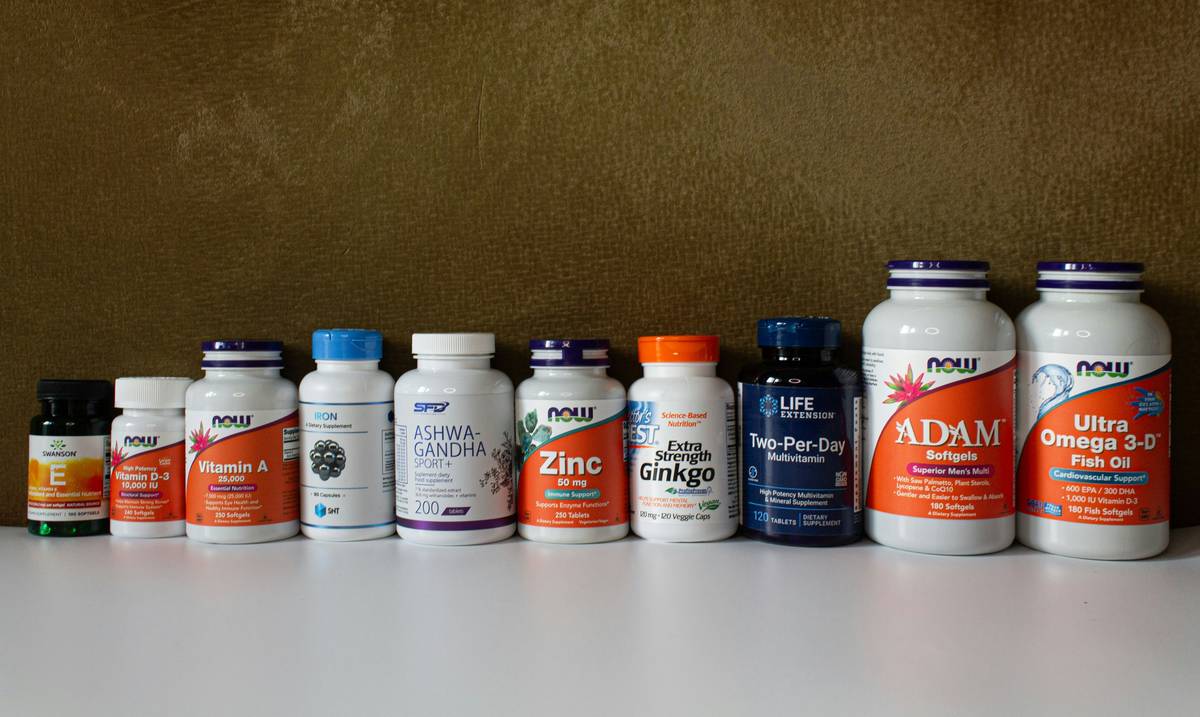
What Vitamin Is Good for Menopause? The Top 5 Backed by Science
1. Vitamin D₃ + K₂: The Bone-Mood Power Couple
Vitamin D isn’t technically a vitamin—it’s a hormone precursor. And during menopause, levels often tank due to reduced sun exposure and skin synthesis. Low D correlates strongly with depression, fatigue, and osteoporosis. But here’s the kicker: D without K₂ is like driving without brakes. K₂ activates osteocalcin (which shuttles calcium into bones) and matrix Gla protein (which keeps calcium out of arteries).
Dosage: 2,000–5,000 IU D₃ + 90–120 mcg K₂ (as MK-7) daily. Get tested—optimal serum D is 40–60 ng/mL.
2. Magnesium Glycinate: Sleep, Cramps & Anxiety Relief
Magnesium regulates over 300 enzymatic reactions—yet 45% of U.S. adults don’t meet daily intake (NHANES data). Post-menopause, magnesium needs rise due to increased urinary excretion. Skip oxide (poorly absorbed)—go for glycinate or L-threonate for better brain uptake.
Dosage: 200–400 mg at bedtime. Side note: it tastes like chalk unless chelated properly—look for “buffered” formulas.
3. B-Complex (Especially B6 & B12): For Brain Fog & Energy
B vitamins support methylation—a critical detox pathway that slows during menopause. B6 helps modulate GABA (calming neurotransmitter); B12 maintains myelin sheaths. But caution: high-dose B6 (>100 mg/day long-term) can cause neuropathy.
Dosage: Look for methylated forms (methylcobalamin, P-5-P) if you have MTHFR gene variants (~30% of women do).
4. Omega-3s (EPA/DHA): Tame the Fire Within
Chronic low-grade inflammation is a hallmark of menopause. Omega-3s lower CRP and IL-6 (inflammatory markers). A 2022 RCT in Menopause Journal showed 1.8g EPA/DHA daily reduced hot flash frequency by 27% in 12 weeks.
Dosage: 1,000–2,000 mg combined EPA/DHA. Choose triglyceride-form fish oil—better absorbed than ethyl ester.
5. Calcium (But Only With Co-Factors)
Yes, calcium still matters—but only if paired with D₃, K₂, and magnesium. Without them, excess calcium may deposit in soft tissues. Food-first approach: collard greens, sardines, tahini.
Dosage: Total intake (food + supplement) shouldn’t exceed 1,200 mg/day. More isn’t better—linked to kidney stones and cardiovascular risk.
How to Take Menopause Vitamins the Right Way (Timing, Forms & Synergy)
Optimist You: “Just pop a pill and feel amazing!”
Grumpy You: “Ugh, fine—but only if my coffee doesn’t cancel it out.”
Truth is, timing and form dictate results. Here’s your cheat sheet:
- Vitamin D₃ + K₂: Take with breakfast (fat-soluble—needs dietary fat).
- Magnesium glycinate: 30 min before bed—enhances melatonin production.
- B-complex: Morning with food—prevents nausea and supports daytime energy.
- Omega-3s: Split doses (AM/PM) to reduce fishy burps; store in fridge.
- Calcium: Never take with iron or thyroid meds—they compete for absorption.
And for the love of all things holy: avoid “menopause blends” with 27 ingredients and no disclosed dosages. If they won’t tell you how much black cohosh is in there, run.
The Terrible Tip Nobody Talks About
“Take high-dose vitamin E for hot flashes!” Nope. A meta-analysis in Cochrane Database found no significant benefit
Real Women, Real Results: Case Studies That Worked
Case 1: Maria, 54 – Hot Flashes & Insomnia
Baseline: 10+ hot flashes/day, waking 4x/night.
Protocol: 5,000 IU D₃ + 120 mcg K₂, 300 mg magnesium glycinate, 1,200 mg EPA/DHA.
Result: At 8 weeks—hot flashes down to 2–3/day, sleep consolidated to 6.5 hours. Bonus: her vitamin D jumped from 22 to 48 ng/mL.
Case 2: Diane, 49 – Mood Swings & Brain Fog
Baseline: Tearful, forgetful, couldn’t focus at work.
Protocol: Methylated B-complex (B6 25mg, B12 1,000mcg), plus 200 mg magnesium.
Result: Emotional stability returned in 3 weeks; cognitive testing improved by 18% at 12 weeks.
Menopause Supplement FAQ
Can I take these if I’m on hormone replacement therapy (HRT)?
Generally yes—but time them apart. Calcium and iron can interfere with oral estrogen absorption. Always disclose supplements to your prescriber.
Are plant-based menopause supplements effective?
Some botanicals (like rhapontic rhubarb extract studied in Phytomedicine) show promise for hot flashes—but vitamins D, magnesium, and omega-3s have stronger evidence. Don’t replace core nutrients with herbs alone.
How soon will I feel results?
Nutrient repletion takes 8–12 weeks. Magnesium for sleep may work in days; bone density changes take 6+ months. Patience + consistency = payoff.
Do I need blood tests?
Ideal: test vitamin D, B12, magnesium RBC, and hs-CRP before starting. Re-test in 3–6 months. It’s worth the $150 to avoid guesswork.
Conclusion
So—what vitamin is good for menopause? It’s not one magic bullet. It’s the synergistic trio of D₃/K₂, magnesium glycinate, and targeted B vitamins—backed by decades of research and real-world clinical wins. Forget trendy powders and proprietary blends. Focus on bioavailable forms, strategic timing, and personalized dosing.
Your menopause journey deserves more than guesswork. Arm yourself with science, partner with a knowledgeable provider, and remember: you’re not broken—you’re evolving. And evolution runs on nutrients.
Like a 2004 Motorola Razr, some things just get better with time.
Haiku:
Hot flashes fade slow—
D3, K2, magnesium—
Sleep returns with dawn.