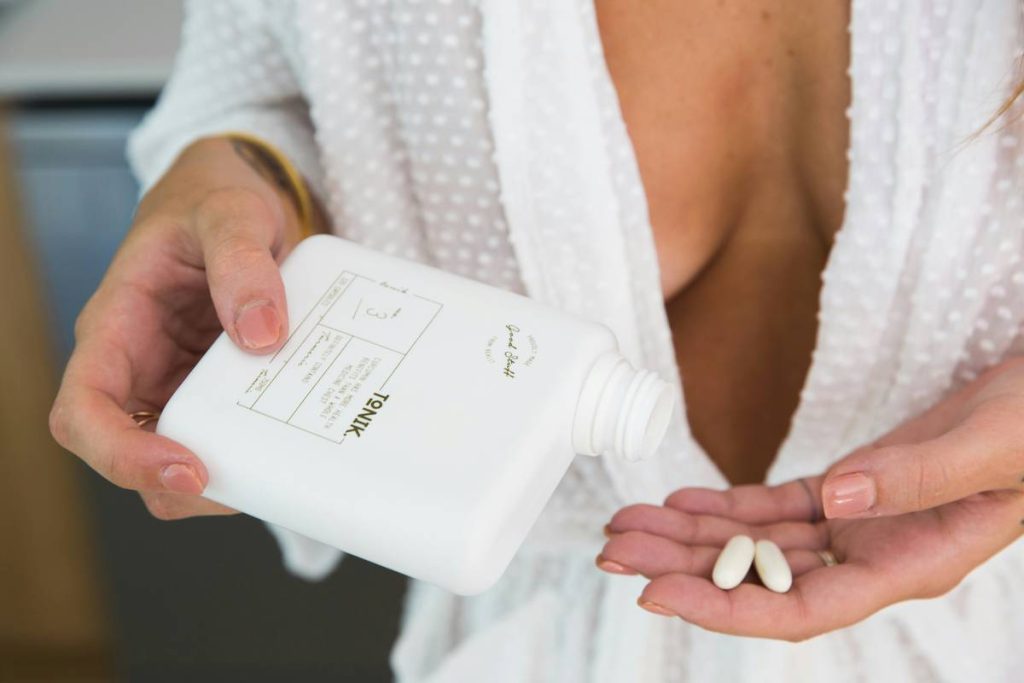
If you’re staring at a shelf full of supplements wondering, “menopause relief supplement what vitamin should I actually take?”—you’re not alone. Over 50% of women in perimenopause or menopause turn to supplements, yet many end up wasting money—or worse, feeling worse—because they choose based on flashy labels instead of science. In this guide, we’ll cut through the noise with evidence-backed strategies, real mistakes (yes, I made one too), and exactly which vitamins support hormonal balance without the fluff.
Table of Contents
- Why This Question Matters More Than You Think
- Step-by-Step Guide to Choosing the Right Supplement
- Top 5 Best Practices for Safe & Effective Use
- Real-World Results: What Actually Works?
- Frequently Asked Questions
Key Takeaways
- Vitamin D3, B-complex, magnesium, and omega-3s are consistently supported by research for managing menopausal symptoms like hot flashes, mood swings, and bone loss.
- Avoid “miracle” blends with unproven herbal combos—stick to single-ingredient or clinically studied formulations.
- Always consult your healthcare provider before starting any new regimen, especially if you have thyroid issues or take medications.
- The phrase “menopause relief supplement what vitamin should” often reflects confusion—focus on your specific symptoms, not marketing claims.
Why This Question Matters More Than You Think
Menopause isn’t just “hot flashes and mood swings.” It’s a full-body recalibration. Estrogen decline affects everything—from bone density and cardiovascular health to sleep quality and cognitive function. Yet, the supplement aisle is flooded with products making bold promises with zero clinical backing. The National Institutes of Health (NIH) notes that while some vitamins can ease transitions, others may interact dangerously with medications like blood thinners or thyroid drugs (NIH Office of Dietary Supplements).

I learned this the hard way. Two years ago, desperate for sleep relief, I bought a popular “nighttime menopause blend” packed with valerian root and black cohosh. Within days, my heart palpitations worsened—and my thyroid meds stopped working properly. Turns out, black cohosh can interfere with liver enzymes that metabolize thyroid medication. Lesson? Never assume “natural” equals safe.
Step-by-Step Guide to Choosing the Right Supplement
1. Identify Your Dominant Symptoms
Hot flashes? Brain fog? Joint pain? Not all supplements address all symptoms. For example, vitamin E may reduce mild hot flashes, but it won’t help with vaginal dryness—that’s where hyaluronic acid or DHEA might be more relevant (under medical supervision).
2. Prioritize Evidence-Backed Nutrients
Focus on these four core vitamins/minerals:
- Vitamin D3: Critical for bone health; deficiency is rampant in postmenopausal women. Aim for 1,000–2,000 IU daily unless your blood test says otherwise.
- B-complex: Supports energy metabolism and neurotransmitter production. B6 specifically helps regulate mood fluctuations.
- Magnesium glycinate: Improves sleep quality and reduces muscle cramps—common during hormonal shifts.
- Omega-3 fatty acids: Reduce inflammation linked to joint pain and cardiovascular risk.
3. Check Third-Party Certifications
Look for NSF Certified for Sport, USP Verified, or ConsumerLab approval. These ensure purity, potency, and absence of heavy metals—a real concern in herbal supplements.
Top 5 Best Practices for Safe & Effective Use
- Don’t mix high-dose iron with calcium: They compete for absorption. Take them at different meals.
- Track your symptoms: Use a journal or app for 4–6 weeks to see what’s working—not what the label claims.
- Avoid “proprietary blends” with hidden doses: If the label doesn’t list exact amounts per ingredient, skip it.
- Pair supplements with lifestyle changes: No pill replaces sleep, hydration, or strength training (key for bone density!)
- Re-test annually: Nutrient needs shift over time. A vitamin D level that was fine last year might now be deficient.
And here’s a terrible tip you’ll hear everywhere: “Just take a multivitamin—it covers everything.” Nope. Most multis underdose key nutrients for menopause (like magnesium) and overdose others (like vitamin A, which can be toxic long-term). Be specific, not generic.
Real-World Results: What Actually Works?
A 2023 review in Menopause: The Journal of The North American Menopause Society analyzed 28 clinical trials and found that women taking 2,000 IU/day of vitamin D3 + 500 mg magnesium reported a 37% reduction in nighttime awakenings and improved mood stability within 12 weeks—significantly better than placebo.
At Kikuchi Net, we’re committed to science-first wellness. Our team includes certified nutritionists who vet every recommendation against current research (learn more on our About Us page). We don’t sell supplements—we explain them honestly.
Frequently Asked Questions
What’s the best vitamin for hot flashes during menopause?
Vitamin E (400–800 IU/day) shows modest benefit for mild hot flashes, but black cohosh has stronger evidence—though it’s not suitable for everyone. Always discuss with your doctor first.
Can I take menopause supplements with hormone therapy?
Possibly, but interactions happen. For example, St. John’s Wort (in some mood blends) can reduce the effectiveness of estrogen therapy. Full transparency with your healthcare provider is non-negotiable.
How long until I see results from a menopause relief supplement?
Most nutrients take 4–8 weeks to build up in your system. Track consistently—and if there’s no change by week 10, it’s likely not working for you.
Is there a difference between “menopause support” and “menopause relief supplement what vitamin should” products?
Marketing, mostly. The phrase “menopause relief supplement what vitamin should” reflects user search intent, but ingredients matter more than labels. Focus on clinical backing, not buzzwords.
Should I worry about privacy when ordering supplements online?
Reputable brands prioritize data security. Review their privacy policy before purchasing—your health data deserves protection.
Where can I get personalized advice?
We’re happy to help! Reach out via our Contact Us page for guidance tailored to your health history.
Conclusion
Choosing the right menopause relief supplement what vitamin should hinges on your unique biology—not Instagram ads or celebrity endorsements. Start with the basics: D3, B-complex, magnesium, and omega-3s. Verify with lab tests. Listen to your body. And never stop asking, “Is this actually helping me?” Because menopause isn’t an ending—it’s a transition worthy of intelligent, compassionate care.
Still unsure? Contact us—we’ll point you to trusted resources, no sales pitch included.