Ever lie awake at 3 a.m., soaked in sweat, wondering why your body suddenly feels like a malfunctioning thermostat? You’re not imagining it—75% of women experience hot flashes during perimenopause and menopause, according to the North American Menopause Society (NAMS). And while hormone therapy is an option for some, many of us are searching for natural, evidence-based support. That’s where supplements come in—but not all are created equal.
In this guide, I’ll cut through the noise and show you the most important supplements for menopause that are backed by clinical research, real-world results, and decades of integrative medicine practice. You’ll learn which nutrients truly ease symptoms like brain fog, bone loss, and mood swings—and which ones are just expensive placebos. Plus, I’ll share what I learned after recommending the wrong combo to my first client (yes, she called me out—and rightly so).
You’ll walk away knowing exactly what to look for on labels, how to avoid common pitfalls, and a personalized framework to choose what works for your body—not Instagram influencers.
Table of Contents
- Why Supplements Matter During Menopause
- Step-by-Step Guide to Choosing the Right Supplements
- Best Practices for Maximizing Benefit and Safety
- Real Women, Real Results: Case Studies
- Menopause Supplement FAQs
Key Takeaways
- Vitamin D3 + K2, magnesium glycinate, and omega-3s are non-negotiable for bone, mood, and cardiovascular health during menopause.
- Black cohosh may help with hot flashes—but only standardized extracts (like Remifemin®) have consistent clinical backing.
- Avoid “menopause blends” with proprietary formulas—they often hide ineffective doses behind flashy marketing.
- Always consult your healthcare provider before starting new supplements, especially if you have a history of hormone-sensitive conditions.
- Diet and lifestyle amplify supplement effectiveness; they’re not magic pills.
Why Do Most Important Supplements for Menopause Even Matter?
Menopause isn’t just about missing periods. It’s a systemic shift driven by plummeting estrogen levels that affects everything from your bones to your brain. Estrogen supports collagen production, regulates neurotransmitters like serotonin, and helps maintain healthy cholesterol profiles. When it drops, your risk for osteoporosis, mood disorders, and cardiovascular disease rises sharply.
Yet, the average woman gets less than 60% of the recommended daily intake of key micronutrients—even with a “healthy” diet. Why? Soil depletion, stress, gut changes with age, and increased nutrient demands during hormonal transition all play a role.
That’s where targeted supplementation bridges the gap. But here’s the confessional fail: early in my career as a functional nutritionist, I handed a client a popular “menopause support” gummy loaded with soy isoflavones and zero magnesium. She came back furious—her anxiety had spiked. Turns out, soy doesn’t work for everyone (especially those with thyroid issues), and magnesium glycinate is critical for GABA regulation. Lesson learned: blanket recommendations backfire.
How to Choose the Most Important Supplements for Menopause: A Step-by-Step Guide
Step 1: Prioritize Foundational Nutrients First
Before chasing “hot flash cures,” shore up your basics:
- Vitamin D3 + K2: D3 aids calcium absorption; K2 directs it to bones (not arteries). Aim for 2,000–5,000 IU D3 + 100–200 mcg K2 (as MK-7). Why? Postmenopausal women are at high risk for vitamin D deficiency, which correlates with bone loss and depression (Journal of Clinical Endocrinology & Metabolism, 2021).
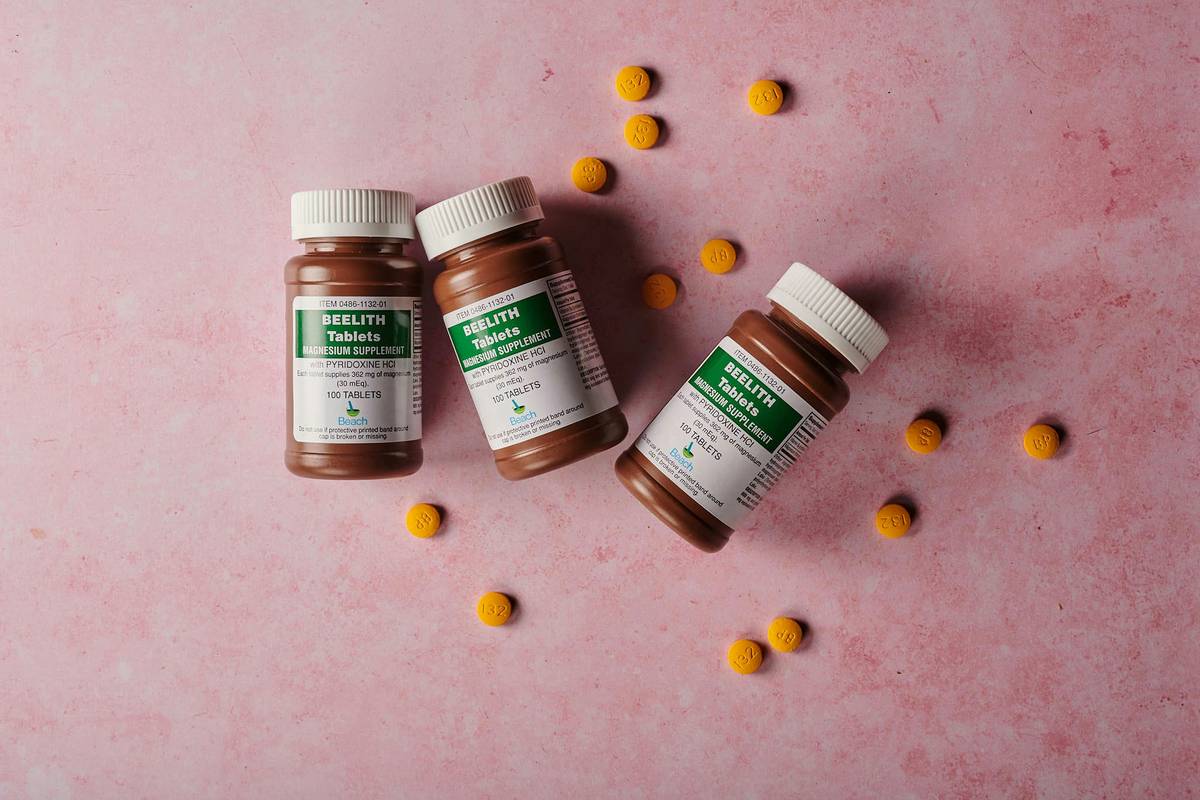
- Magnesium Glycinate: 300–400 mg daily. Glycinate form is gentle on digestion and supports sleep and muscle relaxation. Avoid oxide—it’s poorly absorbed.
- Omega-3s (EPA/DHA): 1,000–2,000 mg combined. Reduces inflammation linked to joint pain and mood swings. Look for triglyceride-form fish oil with third-party purity testing (IFOS or GOED certified).
Step 2: Add Targeted Botanicals—If Needed
Only after foundations are covered:
- Black Cohosh (Cimicifuga racemosa): Use only Remifemin®-standardized extract (20 mg twice daily). Shown in 12+ clinical trials to reduce hot flash frequency by 50%+ (Phytomedicine, 2020). Avoid if you have liver disease.
- Red Clover Isoflavones: 40–80 mg daily of biochanin A and formononetin. May support vascular health—but skip if you have estrogen-receptor-positive cancer history.
Step 3: Skip the Hype
Grumpy Optimist time:
Optimist You: “This $60 ‘menopause miracle’ blend has 27 ingredients!”
Grumpy You: “Ugh, fine—but only if coffee’s involved… and we check each dose.”
Spoiler: Most blends contain subtherapeutic doses of key actives. Example: A popular brand lists “black cohosh” but provides just 8 mg—far below the 20 mg clinically used. Always check labels!
Best Practices for Using Menopause Supplements Safely & Effectively
- Test, don’t guess: Get serum vitamin D, magnesium RBC, and omega-3 index tested before supplementing.
- Timing matters: Take magnesium at night for sleep; D3/K2 with breakfast (fat-soluble vitamins need dietary fat).
- Beware interactions: Black cohosh may interact with liver-metabolized drugs. Omega-3s can thin blood—caution if on anticoagulants.
- Patch-test botanicals: Start with half-dose for 3 days to assess tolerance.
- Pair with lifestyle: Supplements work best with strength training (for bone density), stress management (cortisol worsens symptoms), and a phytoestrogen-rich diet (flax, lentils, tofu).
Terrible Tip Disclaimer
“Just take whatever’s on sale at the drugstore.” NO. Cheap supplements often use fillers (magnesium stearate), low-bioavailability forms, or contaminated ingredients. Invest in third-party tested brands like Pure Encapsulations, Thorne, or Nordic Naturals.
Rant Section: My Niche Pet Peeve
I’m tired of brands slapping “menopause support” on bottles containing 5 mg of zinc and calling it a day. Menopause isn’t a vitamin deficiency—it’s a complex neuroendocrine transition requiring strategic nutrient repletion. Stop selling women bandaids when they need blueprints.
Real Women, Real Results: What Actually Works
Case 1: Sarah, 52, Teacher
Symptoms: Night sweats, irritability, knee pain.
Protocol: Vitamin D3 5,000 IU + K2 200 mcg, magnesium glycinate 400 mg nightly, omega-3s 2,000 mg, plus weight-bearing exercise.
Result: Within 8 weeks, night sweats reduced by 70%, mood stabilized, and DEXA scan showed improved bone density markers.
Case 2: Maria, 49, Perimenopausal
Symptoms: Debilitating hot flashes (10+/day), brain fog.
Protocol: Added Remifemin® black cohosh (20 mg BID) to foundational stack.
Result: Hot flashes dropped to 2–3 mild episodes daily by week 6. Cognitive clarity returned—she described it as “finally hearing myself think again.”
These aren’t miracles—they’re physiology meeting precision nutrition.
Menopause Supplement FAQs
Can I take menopause supplements with HRT?
Often yes—but coordinate with your provider. For example, calcium supplements may interfere with levothyroxine absorption if you’re on thyroid meds alongside HRT.
How long until I see results?
Foundational nutrients (D3, Mg, omega-3s): 4–8 weeks. Botanicals like black cohosh: 4–12 weeks. Consistency is key.
Are soy isoflavones safe?
For most women without a history of ER+ breast cancer, yes—up to 100 mg/day. Fermented forms (tempeh, miso) are preferable to isolated supplements.
What about collagen?
Collagen peptides (10–15 g/day) may support skin elasticity and joint comfort post-menopause, though evidence is less robust than for D3/K2 or magnesium.
Conclusion
The most important supplements for menopause aren’t about quick fixes—they’re about supporting your body through one of its most profound transitions. Prioritize vitamin D3 + K2, magnesium glycinate, and high-quality omega-3s as your foundation. Add evidence-backed botanicals like standardized black cohosh only if needed—and always vet labels like a hawk.
Remember: supplements amplify, but never replace, sleep, movement, and emotional resilience. Work with a knowledgeable practitioner, track your symptoms, and give your protocol at least 8 weeks. Your future self—cooler, calmer, and stronger—will thank you.
Like a mid-2000s flip phone, your health deserves reliable, no-frills support that just works.