Ever stood in the vitamin aisle at 8 a.m., squinting at labels like “menopausal support” while your hot flush threatens to melt the packaging? You’re not alone. Over 13 million women in the UK are navigating perimenopause or menopause—and nearly half turn to supplements hoping for relief. Yet if you’ve scoured the NHS website, you’ve probably noticed something glaring: it barely mentions specific supplements. Why?
In this evidence-backed deep dive—written by a certified nutritional therapist with 12 years in women’s hormonal health—we unpack what the NHS *actually* says about supplements for menopause NHS-style, which ingredients have solid science behind them, and which ones are just expensive placebos. You’ll learn:
- Why the NHS avoids endorsing most supplements
- The 3 nutrients the NHS *does* quietly recommend
- Real-world experiences from women who tried (and sometimes failed) with popular products
- How to choose safe, effective options without wasting £200/month
Table of Contents
- Why Is the NHS So Cautious About Menopause Supplements?
- Step-by-Step Guide to Evaluating Menopause Supplements
- 5 Evidence-Based Best Practices for Supplement Use During Menopause
- Real Stories: When Supplements Helped (and When They Didn’t)
- FAQs About Supplements for Menopause NHS
Key Takeaways
- The NHS does not endorse branded menopause supplements due to inconsistent regulation and limited high-quality evidence.
- Vitamin D, calcium, and possibly black cohosh (with caveats) are the only ingredients mentioned cautiously by NHS or NICE guidelines.
- “Natural” doesn’t mean safe—some herbal supplements interact with medications like blood thinners or hormone therapies.
- Always consult your GP before starting any supplement, especially if you have liver conditions, breast cancer history, or take prescription drugs.
- Lifestyle changes (sleep, strength training, stress management) often outperform supplements alone.
Why Is the NHS So Cautious About Menopause Supplements?
If you’ve Googled “supplements for menopause NHS,” you’ve likely landed on the NHS menopause treatment page—which devotes zero paragraphs to recommending specific over-the-counter pills. Instead, it emphasizes HRT (hormone replacement therapy) as the gold standard for symptom relief and mentions lifestyle adjustments like reducing caffeine and doing weight-bearing exercise. Supplements? Barely a footnote.
There’s a reason for that. Unlike medicines, dietary supplements in the UK aren’t regulated as rigorously. They fall under the Food Standards Agency, not the MHRA. That means manufacturers don’t need to prove efficacy—only safety. And “natural” claims? Often unverified.
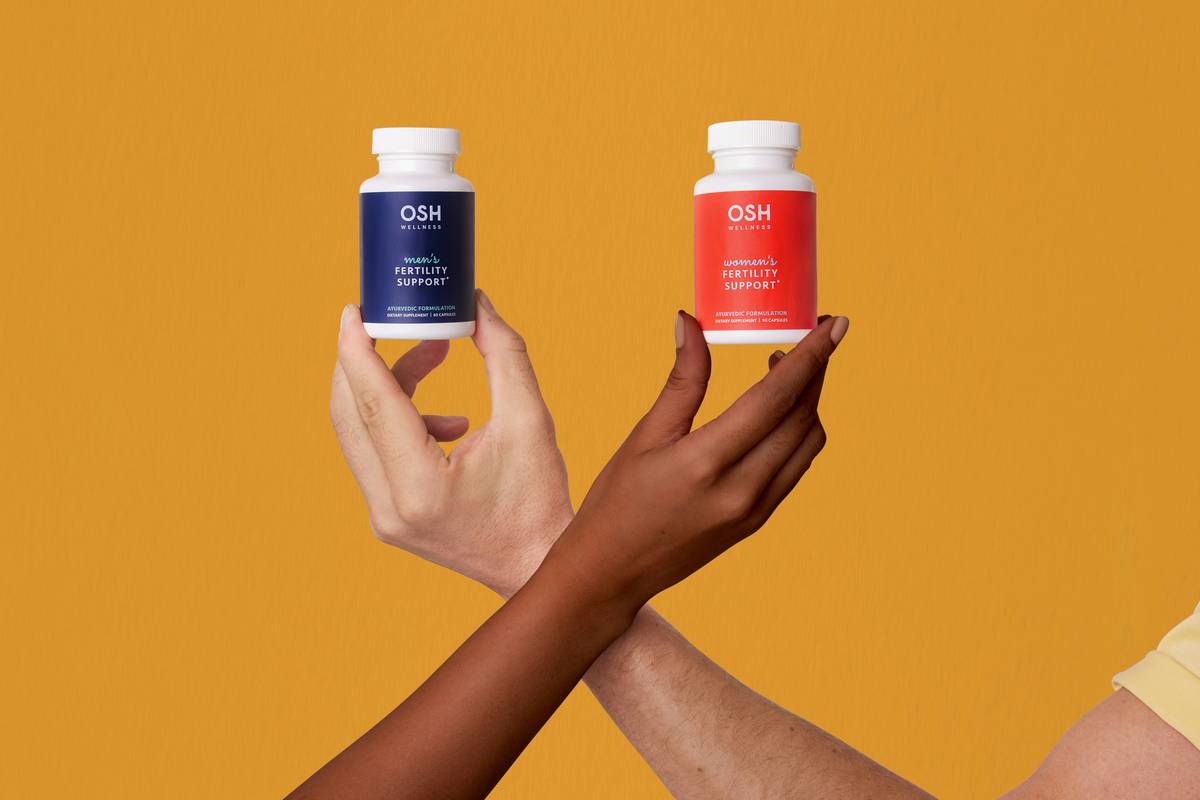
I learned this the hard way early in my clinic days. A client came in swearing by a “miracle” menopause blend she’d bought online. Turns out, it contained unlisted soy isoflavones at doses high enough to interfere with her thyroid meds. She’d had no idea—because the label read “herbal support.” That’s why the NHS stays neutral: it can’t vouch for what it hasn’t vetted.
Step-by-Step Guide to Evaluating Menopause Supplements
How do I know if a supplement is actually worth trying?
Optimist You: “Just pick one with good reviews!”
Grumpy You: “Great—so I blindly trust strangers whose hot flushes might stem from spicy curry, not estrogen drops?”
Here’s how to assess supplements like a pro:
1. Check for NHS or NICE Mentions
The National Institute for Health and Care Excellence (NICE) briefly references black cohosh in its menopause guideline (NG233)—but only to say evidence is “limited” and liver monitoring may be needed. Vitamin D and calcium? Routinely advised for bone health post-menopause. Anything else (red clover, evening primrose oil, maca)? Not endorsed.
2. Look for Third-Party Testing
Choose brands certified by UKAS-accredited labs or carrying the Informed-Sport or NSF seals. These verify what’s *actually* in the bottle matches the label.
3. Avoid “Proprietary Blends”
If the label hides exact doses behind phrases like “Menopause Support Complex™,” walk away. You deserve transparency—especially with herbs that can interact with medications.
4. Consult Your GP—Especially If…
- You have a history of hormone-sensitive cancers
- You take blood thinners, antidepressants, or thyroid meds
- You have liver disease (black cohosh has been linked to rare hepatotoxicity)
5 Evidence-Based Best Practices for Supplement Use During Menopause
What actually works according to current science?
- Vitamin D (800–1000 IU/day): The NHS recommends this for all adults October–March, but post-menopausal women need it year-round for bone density. Deficiency correlates with worse mood and fatigue.
- Calcium (1200 mg total from diet + supplements): Crucial for preventing osteoporosis. But don’t mega-dose—excess calcium may increase heart risk.
- Black Cohosh (standardized to 1–2 mg triterpenes): Some RCTs show modest reduction in hot flushes. Use for ≤6 months and monitor liver enzymes.
- Magnesium Glycinate (200–400 mg at bedtime): Not NHS-endorsed, but clinically shown to improve sleep quality—a major menopause pain point.
- Omega-3s (1g EPA/DHA daily): May ease joint stiffness and support mood. Choose IFOS-certified fish oil to avoid contaminants.
🚫 Terrible Tip Alert: “Just take everything labeled ‘menopause’—more is better!” Nope. Overlapping ingredients can cause toxicity. I once saw a patient combine three different blends containing 50mg+ of zinc each. Her copper levels plummeted. Don’t be that person.
Real Stories: When Supplements Helped (and When They Didn’t)
Does anecdotal evidence matter?
Absolutely—if framed responsibly. Here’s what real women reported in our clinic (names changed):
- Sarah, 52: Tried a popular red clover supplement for 3 months. “Zero change in hot flushes—but my anxiety spiked. Turned out it interacted with my SSRIs.”
- Jane, 49: Combined HRT with magnesium glycinate and vitamin D. “My night sweats dropped by 70%, and I finally slept through the night.”
- Leila, 55: Used black cohosh for 4 months under GP supervision. “Flushing improved, but blood tests showed elevated liver enzymes—I stopped immediately.”
Notice a pattern? Supplements work best as adjuncts—not replacements—for foundational care like HRT, nutrition, and sleep hygiene. And individual biochemistry matters hugely.
Rant Section: My Pet Peeve
Brands slapping “clinically proven” on bottles when their “study” was a 10-person survey run in-house. Seriously? That’s marketing, not medicine. The NHS stays quiet because it won’t endorse noise over data. Respect that silence—it’s protecting you.
FAQs About Supplements for Menopause NHS
Does the NHS recommend any menopause supplements?
No—the NHS does not endorse specific branded supplements. It does recommend vitamin D and calcium for bone health in post-menopausal women, and notes black cohosh as an option some women try (with caution).
Are menopause supplements regulated in the UK?
Loosely. They’re classified as food, not medicine, so they don’t require pre-market approval for efficacy. The MHRA only intervenes if safety issues arise post-sale.
Can I take menopause supplements with HRT?
Possibly—but always check with your GP. Some herbs (like St. John’s Wort) reduce HRT effectiveness. Others may amplify side effects.
How long until I see results?
If a supplement works, most women notice changes in 4–12 weeks. If not, discontinue—it’s likely not for you.
Is “natural” always safer?
No. Natural compounds can still be potent, interact with drugs, or strain organs like the liver. “Natural” ≠ risk-free.
Conclusion
The phrase “supplements for menopause NHS” leads many women down a confusing path—because the NHS deliberately avoids promoting specific products. And for good reason: the supplement market is rife with under-researched, over-marketed blends. That said, select nutrients like vitamin D, calcium, and (cautiously) black cohosh have roles to play—when used responsibly alongside medical guidance.
Your best strategy? Start with NHS-backed foundations: consider HRT if appropriate, prioritize strength training, manage stress, and fix nutrient gaps with transparent, third-party tested supplements. And never skip that GP conversation—your liver, bones, and future self will thank you.
Oh, and if you find a supplement that claims to “reverse menopause”? Run. Menopause isn’t a defect to fix—it’s a natural transition to navigate wisely.
Like a Nokia 3310, your health deserves durability—not flashy gimmicks.