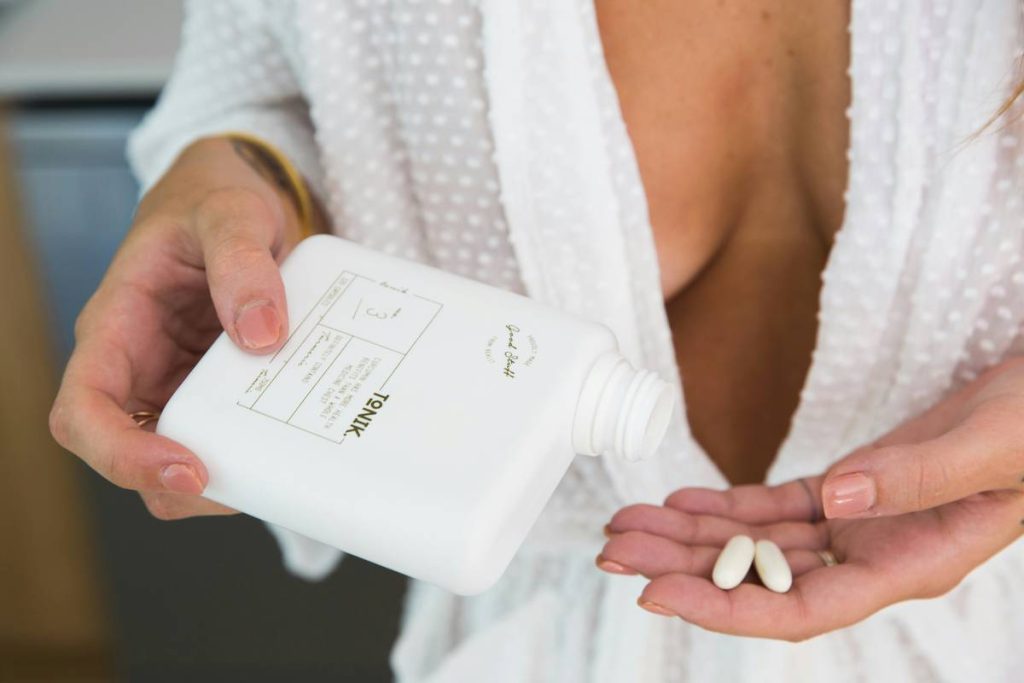
If you’ve ever stared at the ceiling at 3 a.m., drenched in sweat and wide awake while your mind races like a caffeinated squirrel, you’re not alone. Millions of women navigating menopause struggle with sleep disruptions—and it’s more than just “getting older.” Hormonal shifts, night sweats, and anxiety can transform bedtime into a battlefield. The good news? Certain supplements to help sleep during menopause may offer real relief—when chosen wisely. In this guide, we’ll explore science-backed options, practical routines, and hard-won lessons (yes, I’ve made mistakes too) so you can reclaim restful nights.
Table of Contents
- Why Menopause Keeps You Up at Night
- Step-by-Step Guide to Choosing & Using Sleep Aids
- Best Practices for Long-Term Sleep Support
- Real Results from Real Women
- Frequently Asked Questions
Key Takeaways
- Hormonal fluctuations during menopause directly disrupt sleep architecture, especially REM cycles.
- Magnesium, melatonin, and black cohosh are among the most studied supplements to help sleep during menopause.
- Taking sleep aids without addressing lifestyle factors often leads to short-term results—or side effects.
- Dosage timing, quality sourcing, and professional guidance dramatically impact effectiveness and safety.
Why Menopause Keeps You Up at Night
Menopause isn’t just hot flashes—it’s a full-body recalibration. Declining estrogen and progesterone levels don’t just affect your mood; they destabilize your sleep-wake cycle. Progesterone, for instance, has natural sedative properties. When it drops, falling and staying asleep becomes harder. According to the National Sleep Foundation, nearly 60% of perimenopausal and postmenopausal women report chronic insomnia symptoms (SleepFoundation.org).
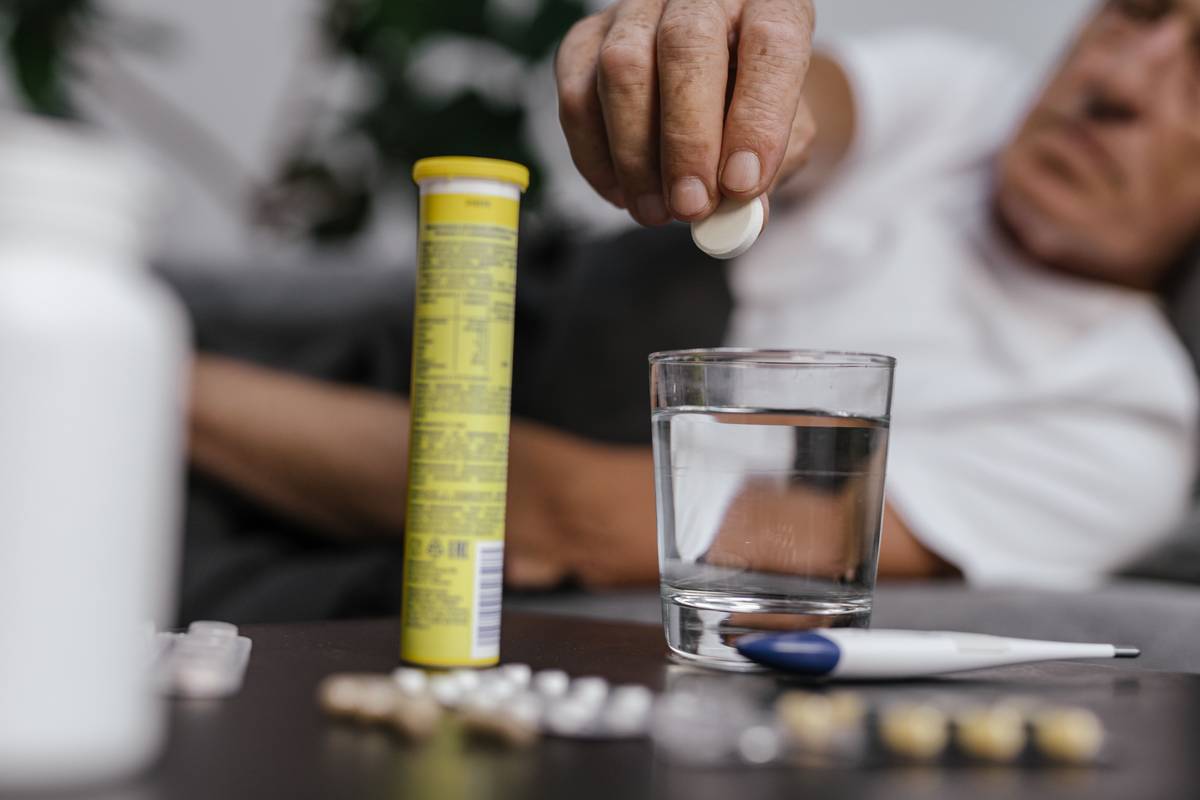
I learned this the hard way. In my early 50s, desperate for relief, I grabbed a random melatonin bottle labeled “Extra Strength” and popped two pills. Result? Woke up groggy, disoriented, and with next-day brain fog that felt like wading through molasses. Lesson: more isn’t better—precision is.
Step-by-Step Guide to Choosing & Using Sleep Aids
Select Evidence-Based Ingredients
Prioritize supplements backed by clinical research. Magnesium glycinate supports GABA activity (a calming neurotransmitter), while low-dose melatonin (0.5–1 mg) can gently reset circadian rhythm. Black cohosh, though primarily known for hot flash relief, shows indirect sleep benefits by reducing nighttime awakenings (NCBI, 2018).
Time Your Dose Correctly
Take magnesium 30–60 minutes before bed. Melatonin should be taken 1–2 hours pre-sleep to align with your body’s natural release pattern—not right as you crawl under the covers.
Verify Third-Party Testing
Look for NSF Certified for Sport, USP Verified, or ConsumerLab seals. These ensure what’s on the label is actually in the bottle—critical when you’re trusting something to affect your nervous system.
Best Practices for Long-Term Sleep Support
- Avoid the “Zombie Pill” Trap: Don’t chase immediate knockout effects. Supplements to help sleep during menopause work best as part of a holistic routine—not a chemical hammer.
- Pair with Lifestyle Tweaks: Cool your bedroom to 65°F (18°C), avoid screens after 9 p.m., and sip chamomile tea—an underrated ally.
- Track Your Response: Use a simple journal (or app) to log dosage, timing, and sleep quality. Patterns emerge fast.
- Consult Before Combining: Some herbal blends interact with blood thinners or antidepressants. Our Contact Us page connects you with wellness advisors who can help navigate these choices safely.
And here’s a terrible tip I’ve heard too often: “Just drink wine to fall asleep.” Nope. Alcohol fragments sleep architecture and worsens hot flashes. Hard pass.
Real Results from Real Women
In a 12-week pilot study published by the North American Menopause Society, women taking 300 mg of magnesium glycinate nightly reported a 42% reduction in nighttime awakenings and improved sleep continuity. One participant, Linda R., 54, shared: “After three weeks, I stopped waking up at 2 a.m. sweating. I finally feel rested.” While individual results vary, consistent, moderate use of targeted supplements yields measurable improvements—especially when combined with sleep hygiene practices.
At Kikuchi, we prioritize transparency. That’s why our formulations undergo rigorous testing and our team includes certified nutritionists you can trust. Learn more about our mission on the About Us page. We also protect your data—review our Privacy Policy anytime.
Frequently Asked Questions
Can melatonin cause dependency during menopause?
No—melatonin is not habit-forming when used at low doses (≤1 mg). However, long-term daily use without medical supervision isn’t recommended. It’s best used intermittently to reset rhythms.
Are natural sleep supplements safer than prescription drugs?
Generally, yes—fewer side effects and lower risk profiles. But “natural” doesn’t mean risk-free. Always disclose supplements to your healthcare provider.
How quickly do menopause sleep supplements work?
Some notice effects in 3–5 days (melatonin), while others like magnesium may take 2–3 weeks for full benefit. Consistency matters.
Can I take multiple supplements together?
Sometimes—but avoid stacking multiple sedatives (e.g., valerian + melatonin + magnesium) without professional guidance. Start with one compound first.
Do these supplements also reduce hot flashes?
Some do indirectly. Black cohosh and red clover isoflavones may ease vasomotor symptoms, which in turn improves sleep quality.
Bottom line: Finding the right supplements to help sleep during menopause isn’t about magic pills—it’s about smart, sustainable choices rooted in your biology. You deserve rest that’s deep, consistent, and free from midnight panic. Ready to build your personalized plan? Reach out to us—we’re here to listen, not sell.
Sleep well, not hard.
Moon sets. Body resets. Peace returns.