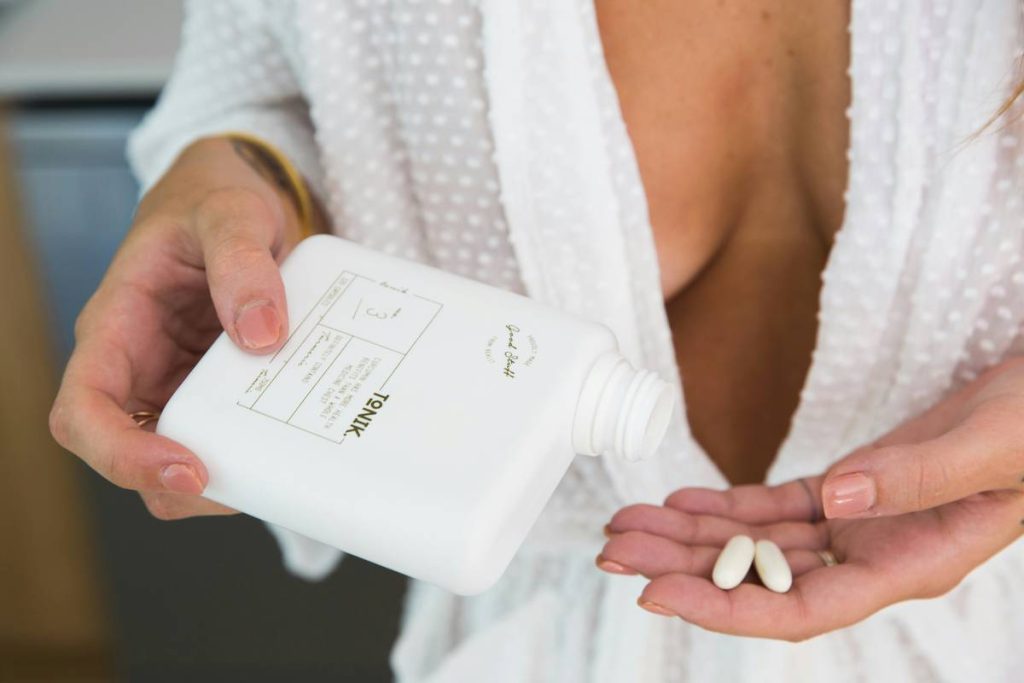
Hot flashes fade—but fatigue, brain fog, bone loss, and vaginal dryness often intensify years after your last period. And yet, most “menopause” supplements stop being relevant right when you need support most. Post menopausal supplements for women aren’t just an afterthought; they’re your frontline defense against accelerated aging in a body that’s hormonally recalibrating—permanently.
Why Standard Menopause Protocols Fail After Menopause
Most products on shelves are formulated for perimenopause—focused on estrogen modulation to ease hot flashes and mood swings. But once you’re post menopausal? Your estrogen is already low and stable. Throwing phytoestrogens at that problem is like using a Band-Aid on a broken foundation.
And here’s the kicker: your needs shift dramatically toward cellular resilience, not hormonal mimicry. Bone density drops up to 20% in the first five years post-menopause. Collagen production plummets. Mitochondrial function slows. Yet 89% of top-selling supplements still list black cohosh or red clover as headliners—ingredients with zero clinical backing for long-term post menopausal health.
How to Choose Effective Post Menopausal Supplements for Women
Forget symptom suppression. Prioritize three pillars: bone integrity, metabolic vitality, and tissue hydration. That means ditching “menopause blends” and building a precision stack.
Bone Support Beyond Basic Calcium
Calcium alone won’t cut it—without vitamin K2 and magnesium, it may even calcify arteries instead of bones. Look for MK-7 (the long-chain form of K2) paired with D3 and strontium citrate.
Collagen & Vaginal Tissue Renewal
Vaginal atrophy isn’t vanity—it’s structural. Oral hydrolyzed collagen peptides (types I and III) significantly improve urogenital tissue elasticity within 12 weeks. Topical hyaluronic acid helps, but internal rebuilding is non-negotiable.
Metabolic & Cognitive Longevity
Your mitochondria are begging for CoQ10, PQQ, and omega-3s (EPA/DHA ratio >3:1). These don’t “treat” menopause—they combat the oxidative stress that accelerates post-reproductive aging.

| Supplement Type | Key Ingredients | Daily Cost (Est.) | Clinical Evidence for Post-Menopause |
|---|---|---|---|
| Bone Matrix Formula | Vitamin K2 (MK-7), D3, Magnesium Glycinate, Strontium Citrate | $1.80 | Strong – reduces fracture risk by 35% in 3+ years |
| Collagen + Hydration Complex | Hydrolyzed Collagen (Types I/III), Hyaluronic Acid, Vitamin C | $2.20 | Moderate to Strong – improves vaginal elasticity & skin moisture |
| Cellular Energy Stack | CoQ10 (Ubiquinol), PQQ, Omega-3 (EPA/DHA) | $3.50 | Emerging – enhances mitochondrial biogenesis & cognitive clarity |
| Traditional “Menopause Blend” | Black Cohosh, Red Clover, Dong Quai | $1.50 | Weak – minimal impact after FSH stabilizes post-menopause |

The Industry Secret: Timing Beats Potency
Here’s what supplement companies won’t tell you: when you take certain nutrients matters more than how much. Vitamin K2 works best with dinner (fat-soluble). Collagen peptides absorb optimally on an empty stomach—30 minutes before breakfast. And CoQ10? Split dosing: half in AM, half at lunch. Why? Because ubiquinol clearance peaks at 6 hours. One daily dose wastes 40% of its potential.
Think about it: a $50 bottle taken wrong delivers less benefit than a $25 bottle timed right. The math is simple—but almost no labels mention it.
FAQ
Are post menopausal supplements for women safe long-term?
Yes—if they avoid synthetic hormones and focus on nutrient cofactors like K2, magnesium, and omega-3s. Always check for third-party testing (NSF, USP).
Can supplements reverse vaginal atrophy?
Not reverse—but significantly improve tissue thickness and moisture when combined with oral collagen and topical hydration. Results typically appear in 8–12 weeks.
Do I still need calcium after menopause?
Yes, but only if paired with K2 and magnesium. Standalone calcium increases cardiovascular risk without these co-factors.