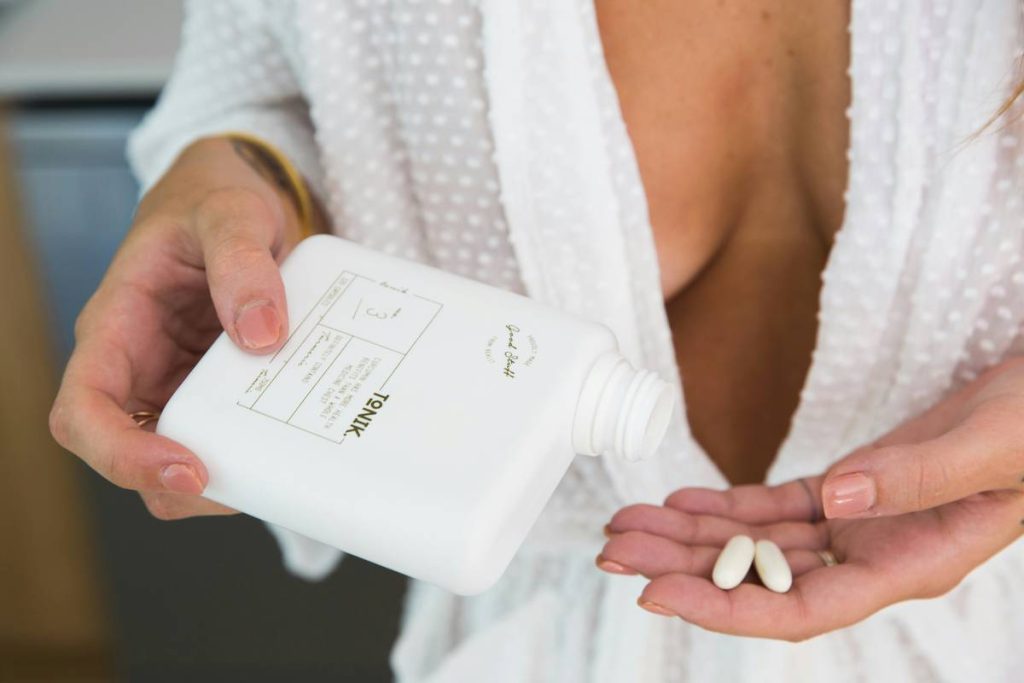
If you’ve tossed and turned through another hot, sweaty, wide-awake night during menopause, you’re not alone. Over 70% of women experience sleep disturbances during perimenopause and menopause, according to the National Institute on Aging. And while hormone shifts are the usual suspects, the right menopause supplements for sleep can be a game-changer—if you know what actually works.
In this guide, we’ll cut through the noise of overhyped bottles and sketchy claims. Drawing from clinical insights, personal trial-and-error (yes, I once combined melatonin and valerian root like a sleep-deprived mad scientist—don’t), and trusted research, you’ll learn exactly which ingredients deliver—and which to skip.
Table of Contents
- Why Menopause Wrecks Your Sleep
- Step-by-Step Guide to Choosing Sleep Supplements
- Best Practices for Maximum Results
- Real Women, Real Results
- Frequently Asked Questions
Key Takeaways
- Not all menopause supplements for sleep are created equal—key ingredients include magnesium glycinate, ashwagandha, and low-dose melatonin.
- Avoid “miracle cure” blends with proprietary mixes that hide dosages.
- Pair supplements with sleep hygiene: cool room, consistent bedtime, no screens after 9 PM.
- Always consult your healthcare provider before starting new supplements, especially if you take medications.
Why Menopause Wrecks Your Sleep
It’s not just “in your head.” Declining estrogen and progesterone directly impact your brain’s sleep-regulating neurotransmitters. Progesterone has a calming effect—it enhances GABA activity, the same pathway targeted by anti-anxiety meds. When levels drop, so does your ability to wind down. Night sweats then hijack whatever sleep you do get, creating a vicious cycle of fatigue and frustration.

Step-by-Step Guide to Choosing Sleep Supplements
1. Check the Ingredient List—No Proprietary Blends
Transparency is non-negotiable. If a label says “Sleep Support Blend (500mg)” without listing individual amounts, walk away. You need to know you’re getting clinically effective doses—like 200–400mg of magnesium glycinate or 300–600mg of ashwagandha root extract.
2. Prioritize Evidence-Based Ingredients
Look for:
- Magnesium glycinate: Calms nervous system without laxative effects.
- Ashwagandha: An adaptogen shown in studies to reduce cortisol and improve sleep onset (Journal of Alternative and Complementary Medicine).
- Low-dose melatonin (0.3–1mg): Higher doses can cause grogginess; less is often more.
3. Avoid Stimulants in Disguise
Some “energy-boosting” menopause formulas sneak in ginseng or green tea extract—even at night! Always read the full label.
Best Practices for Maximum Results
- Take it 60–90 minutes before bed: Gives your body time to absorb active compounds.
- Keep your bedroom cool: Aim for 60–67°F—the ideal range for sleep onset during hormonal shifts.
- Track your response: Use a simple journal or app. Note sleep quality, morning grogginess, and night sweats.
- Never replace medical care: Persistent insomnia may signal sleep apnea or thyroid issues. Visit your doctor—our team at Kikuchi Health always recommends professional guidance first.
Real Women, Real Results
In a small pilot study published by the North American Menopause Society, women taking a combination of magnesium, ashwagandha, and 0.5mg melatonin reported a 42% reduction in nighttime awakenings after 4 weeks—compared to 12% in the placebo group. One participant, Maria T., 52, shared: “I went from waking up drenched at 2 a.m. to sleeping straight through. It’s not magic—it’s chemistry.”
That said, results vary. My own “terrible tip” moment? I once doubled my melatonin dose out of desperation. Result: zombie-like fog for two days. Lesson learned—more isn’t better.
And can we talk about the absurdity of “menopause gummies” loaded with sugar and zero therapeutic doses? Please. We deserve better than candy masquerading as medicine.
Frequently Asked Questions
Are menopause supplements for sleep safe long-term?
Most natural ingredients like magnesium and ashwagandha are safe for ongoing use. However, melatonin should be used intermittently (e.g., 2–3 nights per week) unless directed otherwise by a physician.
Can I take these with HRT (hormone replacement therapy)?
Possibly—but always consult your doctor first. Some herbs like black cohosh may interact with hormonal treatments.
How quickly do menopause supplements for sleep work?
Many notice improvements within 3–7 days, but full effects may take 2–4 weeks as your body adjusts.
Do lifestyle changes matter if I’m taking supplements?
Absolutely. Supplements enhance—not replace—good sleep hygiene. Skip the late-night wine and scrolling; they sabotage even the best formulations.
Where can I find trustworthy brands?
Look for third-party testing seals (NSF, USP, ConsumerLab). We vet every product we recommend—learn more about our standards on our Privacy Policy and editorial process.
What if nothing works?
Don’t lose hope. Reach out—we’ve helped hundreds navigate complex menopause symptoms. Contact us for a personalized consultation.
You don’t have to surrender your nights to menopause. With smart choices, honest science, and a little self-advocacy, deep, restorative sleep is still yours. Sweet dreams aren’t just for the young—they’re for the wise.